UK Buying Guides
Best Clothing & Shoes in the UK
32 expert guides — updated for 2026
Clothing and footwear on Amazon UK spans everything from school shoes and thermal base layers to waterproof jackets for the Pennines and walking shoes for the South Downs — all researched for British weather, UK sizing standards and typical retail prices in pounds. We compare specs and materials to flag which outdoor brands, footwear labels and base layers actually hold up in damp, unpredictable conditions rather than fair-weather use. UK buyers should look for UKCA or CE marking on any electronic accessories, and sizing is UK standard — our guides flag where brands run narrow or wide so you can order right first time. Typical spends run £20 to £60 for everyday clothing, £45 to £140 for quality footwear and £50 to £180 for performance outerwear. The most common mistake is buying waterproof claims at face value without checking the hydrostatic head rating — 1,500mm keeps off light rain, but the British uplands call for 10,000mm or above.
Babygrows
Best Babygrows UK 2026
Babygrows — the term used interchangeably in the UK for both sleepsuits (full-length, with feet) and bodysuits (vest-style, with snap fastening at the crotch) — are the core of any UK newborn and infant wardrobe. UK parents typically use 5–7 babygrows per day in the newborn phase (0–3 months) as nappies leak, posseting occurs frequently, and temperature regulation requires regular clothing changes. The average UK baby goes through two to three full babygrow washes per week in the early months, making fabric quality, fastening practicality, and machine-wash durability the practical priorities. UK SIDS (Sudden Infant Death Syndrome) guidelines from The Lullaby Trust recommend that babies sleep in a safe environment: firm, flat mattress, no loose bedding, no pillows or bumpers, and clothing appropriate to the room temperature. A well-fitted babygrow or sleepsuit — without loose fabric or detachable parts — is explicitly safe for unsupervised sleep and recommended as the primary sleep garment for UK babies under 12 months. The NHS guidance aligns with this: babygrows and sleeping bags (used from around 4 months) are the safest combination for UK infant sleep across all seasons. Organic cotton certification (GOTS — Global Organic Textile Standard) is increasingly meaningful for UK parents buying baby clothing. Conventional cotton uses significant pesticide loads in production, and baby skin — thinner and more permeable than adult skin — has greater exposure sensitivity. GOTS-certified organic cotton is grown without synthetic pesticides and processed without harmful chemical finishes. UK parents should also note that some UK laundry detergents contain optical brighteners and fragrances that can irritate newborn skin — non-biological detergent (Persil Non-Bio, Fairy Non-Bio) is recommended for the first 12 months by most UK paediatricians and the NHS.
 8 picks
Card Holders
Best Card Holders in the UK 2026
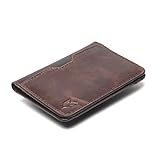
The FOXHACKLE full-grain leather card wallet leads this guide on listing evidence alone: it names the hide and the tannage, quotes six slots holding eight to ten cards, and publishes its dimensions, which several rivals here do not. Card holders are one of the hardest accessories to judge from a product page. Almost every listing claims RFID blocking; almost none says which frequency it blocks or which pockets are covered. Capacity is quoted as a range, then qualified with a note that it depends on card thickness, because an embossed UK debit card stacks thicker than a flat loyalty card. The metal-versus-leather choice is practical rather than cosmetic: aluminium chambers fan cards out one-handed but rarely take coins, while leather cases hold folded notes flat. Everything below is what each listing states.
 8 picks
Hiking Boots
Best Hiking Boots in the UK 2026
The Berghaus Hillmaster II leads this guide because its listing names both of the parts that decide a wet-weather boot: a Gore-Tex performance comfort membrane, and a Vibram outsole with a Vibram polyurethane midsole. Hiking in Britain is rarely about altitude. It is about wet ground, bog, greasy limestone and chalk, and paths that stay damp for months, so waterproofing and tread matter more than how high the boot sits on the ankle. The complication is that almost every listing in this category says waterproof, and only some say what the membrane actually is. A named system, whether that is Gore-Tex, Columbia's OutDry or Regatta's ISOTEX, at least gives you something you can look up. Sizing is the second trap, because not every boot sold here is marked in UK sizes.
 5 picks
Kids' Trainers
Best Kids' Trainers UK 2026
Buying trainers for children in the UK requires a different set of priorities than buying for adults. Durability on UK primary school surfaces — tarmac playgrounds, grass pitches, muddy fields, and PE hall floors — is the primary consideration. UK primary school PE lessons require trainers or plimsolls in most schools, and the expectation is that children will have dedicated indoor PE footwear as well as outdoor trainers for playtime and sport. Understanding whether you're buying for indoor PE, outdoor use, or general everyday wear shapes the right choice considerably. For children under seven (Key Stage 1 — Reception through Year 2), Velcro fastening is strongly recommended over laces. UK schools regularly note that children in this age group struggle to tie laces independently, meaning a child with laced trainers often arrives on the playground with undone shoes, creating both a safety risk and a social inconvenience. Most major trainer brands produce Velcro variants of their popular children's models — in this guide the New Balance 570 comes in both Velcro and lace versions, and the Fila Kids Dispo uses a Velcro strap — so choosing Velcro rarely means settling for a style children don't want. Feet grow rapidly in childhood — UK guidelines from the College of Podiatry recommend measuring children's feet every six to eight weeks for children under five, and every three months for children aged five to twelve. This means children's trainers have a shorter useful life than adult footwear, and spending at the very top of the children's trainer market is difficult to justify economically for parents. The sweet spot for most UK families is the £25–£45 range, where durability is adequate for a school term and the trainer is likely to be outgrown before it wears out. Wide-fit options are worth seeking if your child's foot shape is broad — children with wide feet in standard-width trainers often develop blisters and toe problems.
 5 picks
Kids' Waterproof Jackets
Best Kids' Waterproof Jackets UK 2026
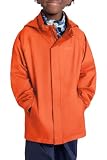
A waterproof jacket is one of the most-used items in a UK child's wardrobe. The British climate — with its reliable autumn drizzle, unpredictable spring showers, and short winters that feel wetter than they are cold — means children in UK primary schools will be sent outdoors for morning break and lunchtime playtime regardless of weather. Most UK schools follow the 'there is no such thing as bad weather, only bad clothing' philosophy, and children without appropriate outdoor clothing are at a disadvantage in temperature, comfort, and the freedom to play properly. Muddy Puddles is the definitive British brand in this category. Founded by parents in the UK, the brand designs its products specifically for the British outdoor context — muddy field drainage, school gate commutes, outdoor break times, and weekend countryside activities. The Puddlepac is explicitly designed for UK children aged 3 to 12 and meets a hydrostatic head rating of at least 5,000mm — the minimum meaningful waterproofing threshold for prolonged British rain. The brand's design philosophy is informed by real UK school and outdoor use in a way that American or Scandinavian outdoor brands (despite their own outdoor credibility) don't always match. Hydrostatic head rating is the key technical metric for children's waterproof jackets. A rating of 1,500–2,000mm is adequate for light drizzle; 5,000mm is appropriate for sustained British autumn rain; 10,000mm+ is outdoor-adventure grade and offers no meaningful advantage over 5,000mm in a UK school context. Look for taped seams (all seams sealed with waterproof tape on the inside) in addition to waterproof fabric — untaped seams allow water ingress at the stitching regardless of the fabric's hydrostatic head rating.
 8 picks
Men's Boots
Best Men's Boots in the UK 2026
The Catesby Galway dealer boot is our top pick for men's boots in the UK in 2026, because its listing states more of what matters than any other here: a full-grain leather upper, a rubber outsole with wide cleats, and a breathable, moisture-wicking lining. Men's boots are among the harder things to buy online in Britain. The names overlap, since a dealer boot and a Chelsea boot are the same elastic-sided pull-on shape under two labels, and lace-up ankle boots get filed alongside both. Weather is the second complication. Leather is not waterproof unless the listing says so, and only one boot in this guide says so. Sizing is the third, because UK men's shoe sizes do not line up with US or EU ones, and one listing here marks its soles in US sizes. This guide sticks to what each listing actually states.
 5 picks
Men's Chinos
Best Men's Chinos UK 2026
Men's chinos occupy a uniquely important position in British wardrobes: they bridge the gap between denim and formal trousers in a way that no other garment quite manages. The British smart-casual dress code — the expectation at a garden party, a pub dinner, a work event that's not quite formal, or a family lunch — is essentially a chino occasion. A well-fitted pair of chinos in navy, stone, or khaki, worn with a button-down shirt or a neat knit, is the uniform of British male smart-casual dressing in 2026. Farah is perhaps the most important name in this category for UK buyers. Founded in the UK and now part of the Mosaic Brands portfolio, Farah's Elm chino has been a British menswear staple for decades — the cut is tried-and-tested, the fabric quality is consistent, and it's widely available across UK retailers. Fit is the critical factor with chinos. A slim-fit chino — narrower through the thigh, tapering to the ankle — is the most versatile in a UK context: smart enough with brogues, casual enough with clean white trainers. A straight fit reads as more relaxed and is comfortable for longer wear but can look baggy without the right footwear. If you're considering wearing chinos with trainers — which is extremely common in the UK — look for a slim cut with a small leg opening or consider rolling the hem once to expose your ankle. This small styling choice transforms the proportion and is near-universal on UK streets.
 7 picks
Men's Fleece Jackets
Best Men's Fleece Jackets in the UK 2026
The Berghaus Prism Micro leads this guide because its listing names the actual fabric, Polartec Classic micro fleece, and states that the jacket zips into Berghaus InterActive waterproof shells, which is what turns a fleece into part of a layering system rather than a spare jumper. Most fleece listings will not tell you that much. A fleece is the layer that does the work in a British winter, sitting between a base layer and a waterproof, and the things that decide whether you get on with it are mundane: whether the pockets zip, whether the hem pulls in against the wind, whether the fabric is brushed on both sides, and whether the cuffs stay put under a jacket sleeve. Almost none of these listings state a fabric weight, so warmth is the hardest thing to judge from a page and the easiest to get wrong.
 4 picks
Men's Gym Shorts
Best Men's Gym Shorts in the UK 2026
Men's gym shorts are essential for any workout routine, offering comfort, mobility, and breathability during intense exercise. Whether you're hitting the treadmill, lifting weights, playing sports, or training in the gym, the right shorts can make a significant difference in performance and comfort. This guide covers the best men's gym shorts available on Amazon UK, including options from Adidas, Under Armour, and other trusted brands. We've compared leading models to help you find shorts that balance durability, fit, and value. From budget-friendly basics to premium athletic shorts, there's something for every gym-goer and fitness level. Whether you prefer 7-inch or 9-inch inseams, pockets for storage, or compression features, you'll find your ideal pair here.
 5 picks
Men's Hoodies
Best Men's Hoodies in the UK 2026
Finding the perfect men's hoodie in the UK means balancing comfort, durability, and style across seasons. Whether you need a cosy layer for British autumn weather or a casual everyday essential, Amazon UK stocks an impressive range from established brands like Superdry, Craghoppers, and Champion, alongside international favourites like Nike and The North Face. This guide covers five standout hoodies compared across different use cases—from gym sessions to weekend wear—with options ranging from budget-friendly to premium. Each recommendation includes detailed specifications and honest pros and cons to help you make an informed decision. All products meet UK Consumer Rights Act 2015 standards and come with standard UK returns and warranty protections.
 5 picks
Men's Jeans
Best Men's Jeans UK 2026
Finding the right pair of men's jeans in the UK is more nuanced than most buyers expect. UK sizing uses waist and leg measurements — waist running from 28 to 42 inches and leg from 28 to 34 inches — but the way brands interpret these numbers varies considerably. Levi's 28W/30L is genuinely different in rise and seat from the same nominal size at G-Star or BOSS. If you're buying online, always check the brand's specific measurement chart rather than assuming your size transfers between labels. The fit debate in the UK centres on three cuts. Slim fit has dominated British high streets since the mid-2000s and remains popular for going out or smart-casual occasions — it works well on lean to medium builds, but can feel restrictive for men with muscular thighs. Tapered fit offers the visual cleanliness of slim at the knee but more room through the thigh, making it the most flattering for athletic builds. Straight fit is having a genuine resurgence in UK menswear in 2026, driven by the wider trouser trend and the enduring practicality of a cut that ages gracefully. Fabric matters as much as cut. Raw or selvedge denim — unwashed, unworn fabric that fades uniquely to the wearer — is a niche category favoured by denim enthusiasts, but it requires hand washing and months of break-in time. Most UK buyers are better served by stretch denim (typically 98% cotton with 2% elastane), which offers modern comfort, holds its shape through the day, and survives the regular machine washing that British winters demand. Under the Consumer Rights Act 2015, jeans that shrink beyond their stated measurement, lose colour prematurely, or develop seam failures within six months are subject to a statutory remedy from the retailer.
 5 picks
Men's Pyjamas
Best Men's Pyjamas in the UK 2026
Finding quality men's pyjamas that balance comfort, durability, and value is essential for a good night's sleep. The UK market offers diverse options ranging from affordable cotton sets to premium silk blends, with most major brands now stocking through Amazon UK alongside traditional high street retailers. Whether you prefer classic button-up styles or modern lounge wear, quality pyjamas should feature breathable fabric, secure stitching, and flattering cuts that won't bunch or ride up during sleep. This guide reviews the best men's pyjamas currently available on Amazon UK, covering budget-friendly options from established brands like Calvin Klein and Tommy Hilfiger, as well as specialist sleepwear manufacturers. All products listed meet UK consumer standards and are available for next-day or Prime delivery across the UK.
 5 picks
Men's Shorts
Best Men's Shorts in the UK 2026
Finding the perfect pair of men's shorts for the British summer requires balancing comfort, style, and durability. Whether you're looking for lightweight chinos perfect for garden barbecues, technical sports shorts for active pursuits, or versatile cargo shorts for everyday wear, the UK market offers excellent options from trusted brands. This guide covers the shorts we rate on Amazon UK, helping you choose styles that suit both the unpredictable British weather and your personal preferences. From premium designers to budget-friendly options, we've researched and ranked the best men's shorts that deliver quality without breaking the bank.
 5 picks
Men's T-Shirts
Best Men's T-Shirts in the UK 2026
Finding the right men's t-shirt in the UK is about balancing comfort, style, and durability. Whether you're looking for everyday basics or performance-driven options for outdoor activities, Amazon UK offers a wide range of quality choices from trusted brands like Uniqlo, Craghoppers, and Ralph Lauren. This guide covers the best men's t-shirts currently available, from budget-friendly essentials to premium cotton options. We've researched and compared each selection on fit, fabric quality, durability, and value for money. Whether you prefer classic crew necks, V-necks, or technical fabrics for sports, you'll find a reliable option here that meets British weather conditions and wardrobe standards.
Men's Trainers
Best Men's Trainers UK 2026
Men's trainers are the dominant footwear category in the UK in 2026. Where a decade ago trainers were restricted to sport and youth culture, they now form the default footwear choice for the majority of British men across a wide age range — worn with jeans, chinos, shorts, and increasingly in smart-casual workplace and social settings. The Adidas Stan Smith has been one of the UK's most-worn trainers since the 1970s, and its leather upper, low profile, and herringbone rubber outsole give it reliable grip on London's wet pavements and unpredictable weather. The UK trainer market is shaped by specific practical demands. The average Londoner walks over 8,000 steps per day across a variety of surfaces — from wet paving stones in November to crowded tube station steps to restaurant floors. This means sole cushioning and grip matter, not just aesthetics. Trainer sole outsoles often wear down within 12–18 months with daily UK urban use, and the ability to clean trainers after contact with UK autumn mud or London rain is a genuine practical consideration. White leather trainers — the dominant colourway preference in UK street style — can be cleaned with specialist trainer cleaning kits or simple warm water and a soft brush. UK trainer sizing uses UK sizes (starting from approximately UK 6 for the smallest men's sizes), with EU and US size equivalents typically listed alongside. Half-sizing is available for most popular styles, and it is worth noting that running-derived trainers (Nike, Adidas performance lines, New Balance) tend to run slightly differently to classic heritage styles (Stan Smith, Chuck Taylor) — the former often being more generous through the toe box due to their athletic origins. If you're between sizes, size up in performance models and stay true to size in classic leather heritage styles.
Men's Wallets
Best Men's Wallets in the UK 2026
The Morucha M75 leads this guide because its listing commits to more of what a wallet buyer needs than any other here: cowhide leather, eight card slots, a coin pocket with a snap closure, an ID window and a closed size of 12 x 9.5 x 2cm. Wallets are awkward to buy online. Contactless has thinned out what most people carry, so card count now matters more than note capacity, yet British shops still hand back coins, which makes a stated coin pocket worth looking for. RFID blocking appears on every listing here and means less than it sounds unless a frequency is named. Leather wording is looser still. Everything below comes from what each Amazon UK listing states, and where a listing stays quiet, that is recorded too.
 8 picks
Men's Winter Coats
Best Men's Winter Coats in the UK 2026
The Helly Hansen Reine Parka leads this guide because its listing states the combination a British winter really asks for: a fully seam-sealed HELLY TECH Performance shell with a DWR treatment, PrimaLoft Rise insulation, and a regular fit cut to go over a midlayer. Most UK winters are wet rather than severely cold, and that changes what matters. A coat rated for extreme temperatures is little use if the outer fabric wets out on a drizzly platform, because damp insulation stops holding heat. So the wording on a listing matters more than the headline: waterproof with a stated rating and taped seams is a different garment from water-repellent or shower-resistant with a surface finish. The eight coats here run from certified site workwear to a fishtail parka, and each entry says what its listing does and does not state.
 5 picks
School Shoes
Best School Shoes UK 2026 | Clarks, Start-Rite & Kickers Reviewed
Choosing the right school shoes in the UK is more demanding than most parents realise. Most state schools specify plain black leather or leather-look shoes with no logos, coloured trims, or trainer-style soles — a policy enforced by the Department for Education's statutory guidance on uniform. This rules out most of the high street, leaving a relatively small field of brands that genuinely make shoes that pass muster. Getting it right matters: poorly fitted school shoes are one of the leading causes of children's foot problems in the UK, according to the College of Podiatry, and kids wear them for six or more hours a day, five days a week. UK children's shoe sizing follows the Clarks/Start-Rite width fitting system: E (narrow), F (standard/medium), G (wide), and H (extra wide). This is genuinely different from adult sizing and from European systems — a child measured as a 3F at Clarks needs exactly that, not a European 35 approximation. The best practice is to have your child's feet measured in store every 6–8 weeks during growth spurts (approximately age 4–9) and every 10–12 weeks from age 10 onwards. When buying online, use measurements taken within the past 6 weeks for accurate sizing. All school shoes sold in the UK must comply with the General Product Safety Regulations, and any shoe with a manufacturing fault — loose soles, broken buckles, stitching failure — within six months of purchase is presumed to be defective under the Consumer Rights Act 2015. The five picks below cover the brands most widely accepted by UK schools, reviewed for durability, support, and sole construction that actually holds up to a full academic year of playground use.
School Uniform
Best School Uniform UK 2026
School uniform in the UK is governed by the Department for Education's statutory guidance, which came into force in September 2022 and requires all schools to keep uniform costs reasonable, limit branded items to accessories rather than core garments, and ensure uniform is available from at least one non-school-branded retailer. This guidance has made a meaningful difference to UK families — the expectation is now that generic school uniforms in standard colours (white, grey, navy, black) purchased from supermarkets and mainstream retailers are appropriate at virtually all state schools in England. The UK academic year starts in early September, making July and August the peak shopping window for school uniform. This period sees the most competitive pricing, the widest stock availability, and the best multi-pack value across all major UK retailers. M&S runs its annual school uniform guarantee during this period — if the uniform wears out, they replace it. George at Asda typically offers the lowest per-item pricing during the back-to-school sales, while Next's range typically sits in the mid-market with reliable sizing and a better-than-average online returns experience for parents ordering on behalf of growing children. For parents of primary school children, fabric technology matters more than it might seem. Stain-resistant finishes (common on M&S and Next school ranges) genuinely reduce the frequency of washing needed after arts, science, and PE sessions. Children in Key Stage 1 (Reception to Year 2, ages 4–7) are particularly hard on uniforms — felt-tip marks, paint, grass stains, and school dinner contact are daily occurrences. A uniform that can be put straight into the machine at 40°C and come out presentable saves significant time. Always buy the next size up at the start of the school year — children in primary school typically grow 5–7cm annually.
Slippers
Best Slippers in the UK 2026
The RockDove Original Two-Tone leads this guide because its listing states the four things that decide a house slipper: a memory foam insole, a breathable waffle-knit upper, a rubber sole with anti-slip traction, and a machine wash. Slippers are one of the few things a British home genuinely needs. Floors are cold from October, ground floors are often tiled or laminate, and most of us end up walking to the bin or answering the door in whatever is already on our feet, so the sole matters as much as the lining. The awkward part is sizing. Half sizes are rare in this bracket, several pairs are sold in spans such as 5-6, and one listing here has an Asian size moulded into the sole rather than a UK one. Read the sizing note on each listing before you choose.
Thermal Underwear
Best Thermal Underwear UK 2026 | Base Layers for British Winters
British winters are rarely the coldest in Europe, but they are persistently cold, damp, and grey — and the right thermal base layer is more effective at keeping you warm than adding extra mid-layers on top. The physics is straightforward: the base layer sits against your skin and its primary job is to manage moisture (sweat) while trapping a thin layer of warm air against the body. If it fails at moisture management — as cheap cotton thermals reliably do — you end up colder than if you'd worn nothing at all, because wet cotton against skin accelerates heat loss. This is as relevant for a dog walker in December as it is for someone running a winter fell race in the Lake District. Thermal underwear falls into three broad material categories: merino wool, synthetic (polyester), and blended fabrics. Merino wool is the gold standard for odour resistance — you can wear a merino base layer for several days of hiking without it becoming unpleasant, which is particularly relevant for multi-day routes on the Pennine Way or West Highland Way. Synthetic base layers (Polartec Power Stretch, Helly Hansen LIFA, Patagonia Capilene) dry faster than merino after washing and are typically more durable over time, making them the better choice for regular training or physically demanding outdoor work. Blended fabrics attempt to combine the benefits of both. UK sizing for thermal base layers is generally consistent with standard clothing sizes, but the fit matters more than in outer layers: a thermal that's too loose loses its ability to trap warm air effectively and wicks less efficiently from the skin. The fit should be close but not constricting — you should be able to layer a fleece or softshell on top without the base layer riding up or bunching. Under the Consumer Rights Act 2015, any base layer with stitching failure, fabric delamination, or faulty elastics within six months is presumed defective and you're entitled to a remedy.
Walking Shoes
Best Walking Shoes UK 2026 | Men's & Women's Reviewed
Britain has some of Europe's best walking terrain — from the South Downs Way and Cotswold Way to the Lake District fells and the Scottish Highlands — and the right walking shoe is the foundation of every good day out. Walking shoes occupy the territory between a casual trainer and a full hiking boot: they provide more ankle support and sole grip than a trainer, while being lighter and more packable than a stiff hiking boot. For most UK day walks on maintained paths, bridleways, and coastal footpaths, a good walking shoe is more than adequate and noticeably more comfortable than a boot for anything under 15km. Width fitting is arguably more important in walking shoes than any other footwear category. Unlike casual shoes, walking shoes are worn for hours at a time with socks and are expected to support the foot over uneven ground. UK adult walking shoe widths typically run from 2A (very narrow) through B, C, D (standard), E (wide), and 2E/EE (extra wide). Men's D is equivalent to women's B in many brands — so a woman buying a men's shoe must size down in width accordingly. Brands like New Balance are particularly good at stocking non-standard widths, while most sports brands only offer D (standard). If you have bunions, a high instep, or notably wide feet, this is the most important factor to resolve before buying. The UK's trail network poses specific challenges: most British footpaths are either clay-heavy (sticking and sucking in winter), chalk (slippery when wet on the South Downs), or rocky (requiring shock absorption on Dartmoor and the Peaks). A multi-directional lug sole is more useful than a smooth rubber sole on 95% of British walking routes. Look for a minimum 4mm lug depth for off-path use. Under the Consumer Rights Act 2015, walking shoes with sole delamination, premature upper failure, or waterproofing that fails within normal use within six months are treated as defective goods.
 5 picks
Women's Winter Coats
Best Women's Winter Coats in the UK 2026
Winter dressing in the UK demands a coat that handles unpredictable weather—coastal winds, Scottish cold, and London rain are all part of the seasonal reality. The best women's winter coats combine insulation technology with genuine water resistance to keep you comfortable during Britain's long, damp winters. This guide covers top options available on Amazon UK, from premium insulated styles by Columbia and The North Face to British heritage brands like Regatta and Craghoppers. We've selected coats on their published performance figures, with waterproof ratings above 3,000mm, thermal insulation ranging from lightweight to expedition-grade, and practical features such as deep pockets and adjustable hoods. Under the UK Consumer Rights Act 2015, all coats come with a 2-year guarantee against manufacturing defects, making them reliable long-term investments for British weather.
 5 picks
Women's Activewear
Best Women's Activewear in the UK 2026
Women's activewear has become essential for fitness enthusiasts and casual wear lovers alike. Whether you're heading to the gym, practising yoga, or running errands, quality activewear provides comfort, durability, and style. The UK market offers excellent options from established global brands like Nike and Adidas, as well as premium specialists such as Lululemon and Gymshark. When choosing activewear, consider moisture-wicking fabrics, breathability, and UK sizing charts—most international brands offer generous size guides on Amazon UK. Look for items with reinforced seams and high-quality stitching to ensure longevity. Popular categories include high-waist leggings, supportive sports bras, and lightweight jackets designed for British weather. Many UK customers prefer layerable pieces due to variable temperatures throughout the year.
Women's Ankle Boots
Best Women's Ankle Boots UK 2026
No footwear category reflects British urban life more accurately than the ankle boot. On any weekday morning on a London street, an Edinburgh cobblestone close, or a Manchester high street, ankle boots outnumber every other women's footwear style combined. The reasons are practical: British winters are wet rather than cold, meaning waterproof leather uppers and grippy rubber soles matter far more than insulation. British streets — particularly in historic cities like Bath, York, and Edinburgh — are uneven, cobbled, and often damp, making a block or low heel and a sturdy sole a genuine safety choice rather than purely a fashion one. Clarks is a Somerset-founded British brand with 200 years of shoemaking behind it, and the reputation it trades on is comfort and fit rather than fashion credentials. The Orinoco 2 Lane is that reputation applied to British pavements: a block heel stable enough for cobbles, Cushion Plus cushioning underfoot, and a size run that covers both standard and wide fit — rare in a styled ankle boot. The upper is leather and synthetic rather than premium full-grain, so it needs regular conditioning and a waterproofing spray to keep water out. That is worth knowing before you buy rather than after the first wet walk home. For women buying ankle boots in the UK, the waterproofing question is the first to answer. An ankle boot that lets water in within ten minutes of a UK autumn downpour is useless for the majority of UK weather conditions. Our pick, the Clarks Orinoco 2 Lane, is not waterproof out of the box — treat a waterproofing spray before first wear, and reapplication after that, as part of the purchase. The other thing to check is the heel: a block or low heel is a genuine safety choice on the cobbled, uneven surfaces that make up a large share of any historic British city's walking routes.
 4 picks
Women's Cardigans
Best Women's Cardigans in the UK 2026
A perfect cardigan is the versatile wardrobe staple every woman needs. Whether you're looking for a lightweight layer for spring or a cosy knit for autumn evenings, the UK market offers exceptional options from trusted brands. Our selection features cardigans available on Amazon UK, ranging from affordable everyday pieces to premium investment knitwear. We've compared each style on comfort, durability, and value, considering factors like fabric quality, fit consistency, and how they hold up after repeated washing. British weather demands reliable knitwear, and these picks are designed to withstand regular wear whilst maintaining their shape and colour. From minimalist designs that pair with everything to statement pieces that elevate your outfit, you'll find cardigans that suit your personal style and lifestyle needs.
 5 picks
Women's Hoodies
Best Women's Hoodies in the UK 2026
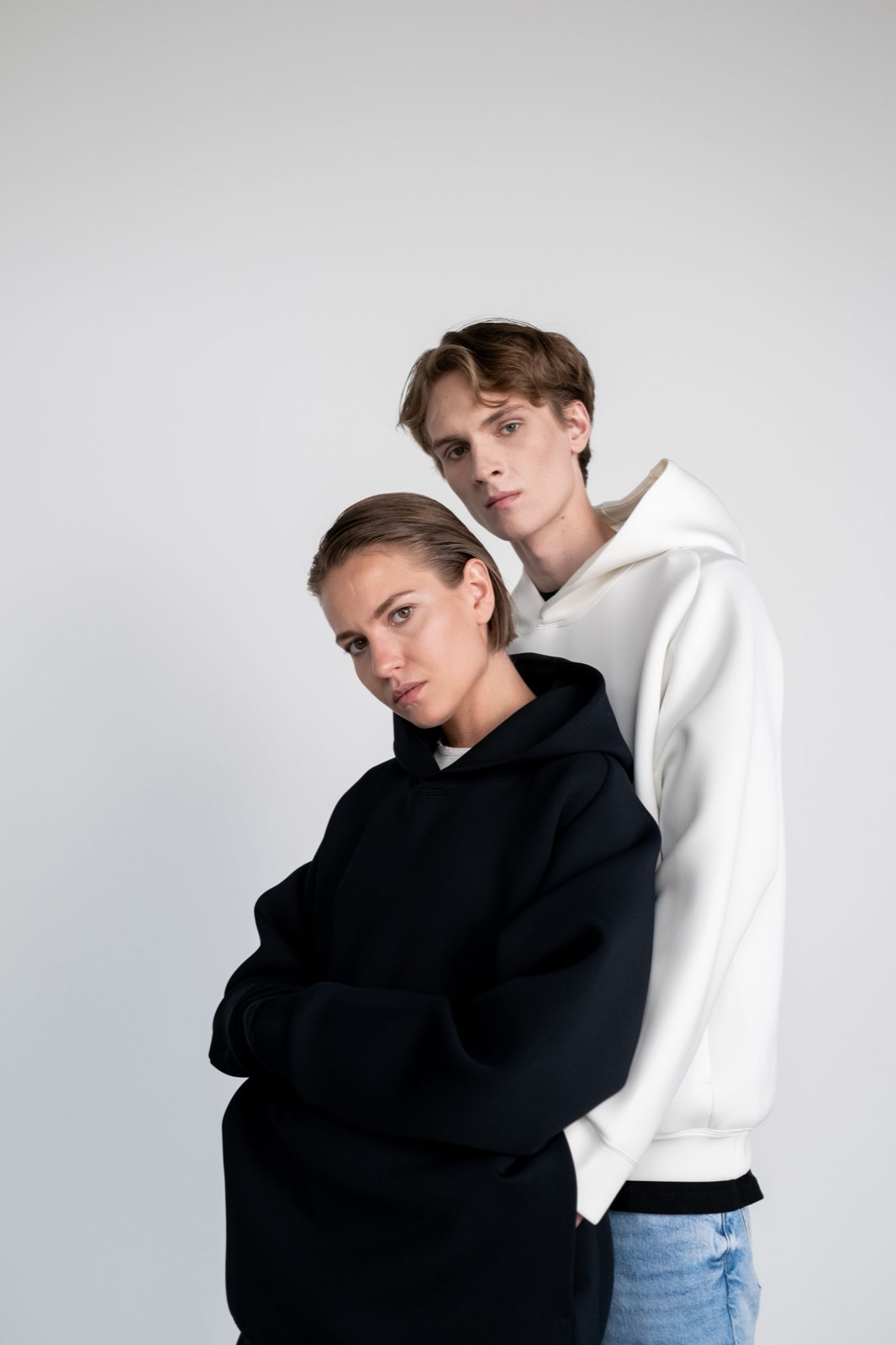
Women's hoodies have become an essential wardrobe staple in the UK, offering comfort and versatility for both casual and athletic wear. Whether you're looking for a classic pullover or a zip-up hoodie, the UK market offers excellent options from established brands like Nike, Adidas, The North Face, and Champion. These hoodies are perfect for layering during British winters and can be styled for everything from gym sessions to casual weekend outings. When choosing a women's hoodie, consider the fabric weight, material composition, and fit to ensure you get the best value for your money. Many top retailers stock these brands with excellent delivery options across the UK, making it easy to find the perfect hoodie that combines comfort, style, and durability. Our guide breaks down the best options available on Amazon UK right now.
Women's Jeans
Best Women's Jeans UK 2026
Finding the right pair of jeans in the UK means navigating a sizing system that varies dramatically between brands. UK women's jeans run from a size 6 up to a 24 in most mainstream ranges, with petite (typically inseam 27–28"), regular (30"), and tall (32–34") leg lengths stocked by the better high-street names. Unlike US sizing, which uses waist measurements, UK sizing is based on dress size — so a UK 12 in jeans from Levi's will fit differently from a UK 12 at ASOS or M&S. Knowing your actual waist and hip measurements before you buy online avoids the frustration of returns. The current UK jean market is split between enduring wardrobe staples and trend-driven shapes. High-waisted fits have dominated since around 2019 and show no sign of fading — they sit at the natural waist rather than the hips and provide more support and coverage, which most British shoppers now prefer over the low-rise styles that were popular in the 2000s. Straight-leg and barrel-leg cuts are gaining ground on skinny fits, particularly for those who want a more relaxed silhouette for casual Saturdays or working from home. Indigo and mid-wash remain the two most versatile washes for a UK wardrobe, pairing equally well with trainers, boots, or heels. For size-inclusive shoppers, the UK market has improved considerably in recent years. ASOS Curve now runs its dedicated Curve line up to a size 30, with styles designed specifically for a fuller bust and hip ratio rather than simply scaling up a straight-size pattern. Whether you need a workhorse dark indigo for the office, a relaxed boyfriend cut for weekends, or a curve-specific straight leg, the five picks below represent the best current options.
Women's Leggings
Best Women's Leggings in the UK 2026
The ACTINPUT 4 Pack High Waist Tummy Control Leggings lead this guide because theirs is the only listing here that states what the fabric is, 92% polyester and 8% spandex, and how wide the waistband is, at 4.5 inches. That sounds minor until you have bought leggings online in the UK, where listing after listing describes how soft the fabric feels and never names it. Two things decide whether a pair works: whether they stay opaque when you bend, and whether the size band you ordered corresponds to a UK dress size rather than a letter that spans four of them. Multipacks make both harder, because S/M and L/XL are doing a great deal of work across UK 8 to UK 18. The eight picks below are separated by what their listings are willing to put in writing.
Women's Raincoats
Best Women's Raincoats in the UK 2026
The Regatta Daysha waterproof shell is our top pick for most UK buyers, because its listing states the numbers most raincoat listings leave out: Isotex 10000 recycled polyester, taped seams and a breathability rating of 10,000g/m²/24 hours. British rain is rarely dramatic and almost always persistent, which changes what matters. A coat that shrugs off a five-minute shower can wet out on a forty-minute walk to the station, so taped or welded seams and a stated waterproof rating count for more than the depth of the hood. Breathability matters just as much, because a jacket that keeps rain out and sweat in feels wet either way. Listings in this category use waterproof and water-repellent almost interchangeably, so the exact wording on the page is the most useful thing to read before you buy.
Women's Work Trousers
Best Women's Work Trousers UK 2026
The UK women's workwear trouser market has undergone a significant shift since 2020. What was once a straightforward category — a choice between tailored slim-leg or wide-leg in black, grey, or navy — now spans everything from relaxed wide-leg linen blends to precisely tailored ankle grazers in technical fabrics that resist creasing on a packed Tube commute. The evolution of UK office dress codes, with smart-casual replacing formal in most sectors post-pandemic, has expanded the definition of what constitutes appropriate work trousers considerably. For the City of London and traditional sectors like law, finance, and government, the standard remains structured trousers in neutral colours — the ankle grazer and the wide-leg are both acceptable, but the fabric must read as tailored rather than casual. A ponte or crepe fabric achieves this even without a proper suit cloth. For creative agencies, tech companies, and modern retail offices, the interpretation is far broader, with tailored linen, barrel-leg cuts, and even well-fitted stretch trousers now unremarkable. Understanding which category your workplace falls into saves money and avoids purchasing expensive trousers that look wrong in context. One of the most important practical considerations for UK commuters is machine washability. A train or Tube commute in British winter weather means trousers encounter rain, mud splashes, and Tube dust on a near-daily basis. Trousers that require dry cleaning are a significant ongoing cost for everyday workwear — the best options on this list are all machine washable, which is now a non-negotiable requirement for anyone who commutes in a British city. Petite and tall options are also covered, as the standard UK trouser length of 30–31" falls too short for taller women and too long for petites.
Work Boots
Best Work Boots in the UK 2026
The DEWALT Douglas is our top pick for work boots in the UK in 2026, because its listing states the protection as test codes rather than adjectives: S3 WR HRO SRC, with a leather upper and a membrane both described as waterproof. Work boots are the one kind of footwear where the letters matter more than the look. Under EN ISO 20345, the S number says what is built into the boot and the letters after it name the tests it has passed, and four of the eight listings in this guide give no S code at all. British ground is the second problem, because eight wet months a year separate a boot with a stated water-resistance code from a boot a seller has simply called waterproof. Sizing is the third, since several of these listings sell one UK size per page and put it in the title.