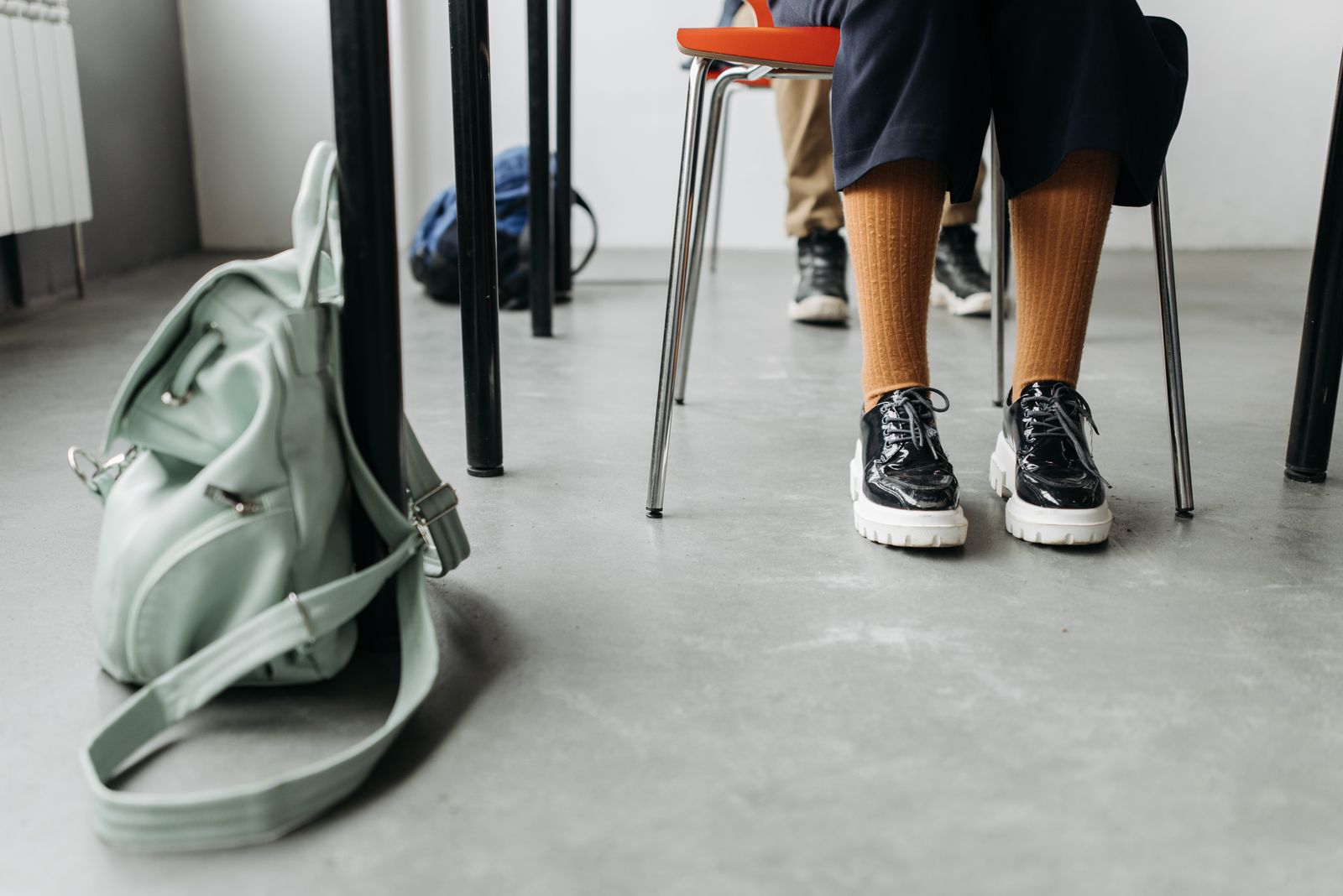
Our top pick for School Shoes in the UK is the Clarks Boys/Girls Scala Step School Shoe (Black Leather).
Clarks Scala Step is the benchmark for UK school shoes — the reliable fit sizing, genuine leather upper, and school policy compliance across most UK academies make it the default choice for parents. For children with wide or narrow feet, Start-Rite Jazz is the preferred alternative, offering more precise width sizing than any other school shoe brand.
Disclosure: As an Amazon Associate I earn from qualifying purchases. This guide contains Amazon affiliate links, and we may earn a commission — at no extra cost to you — but it never changes our rankings.
Choosing the right school shoes in the UK is more demanding than most parents realise. Most state schools specify plain black leather or leather-look shoes with no logos, coloured trims, or trainer-style soles — a policy enforced by the Department for Education's statutory guidance on uniform. This rules out most of the high street, leaving a relatively small field of brands that genuinely make shoes that pass muster. Getting it right matters: poorly fitted school shoes are one of the leading causes of children's foot problems in the UK, according to the College of Podiatry, and kids wear them for six or more hours a day, five days a week.
UK children's shoe sizing follows the Clarks/Start-Rite width fitting system: E (narrow), F (standard/medium), G (wide), and H (extra wide). This is genuinely different from adult sizing and from European systems — a child measured as a 3F at Clarks needs exactly that, not a European 35 approximation. The best practice is to have your child's feet measured in store every 6–8 weeks during growth spurts (approximately age 4–9) and every 10–12 weeks from age 10 onwards. When buying online, use measurements taken within the past 6 weeks for accurate sizing.
All school shoes sold in the UK must comply with the General Product Safety Regulations, and any shoe with a manufacturing fault — loose soles, broken buckles, stitching failure — within six months of purchase is presumed to be defective under the Consumer Rights Act 2015. The five picks below cover the brands most widely accepted by UK schools, reviewed for durability, support, and sole construction that actually holds up to a full academic year of playground use.
Buying guide
What should you look for in School Shoes?
1Always buy by width fitting, not just length — UK children's shoes use the E/F/G/H width system unique to brands like Clarks and Start-Rite. A shoe that's the right length but the wrong width will cause blisters, toe overlap, and longer-term foot problems.
2Check your school's specific uniform policy before buying — most UK state schools specify plain black, no logos, and a hard sole (not a trainer sole). Kickers' iconic ankle loop is allowed by most schools but not all; confirm in writing if in doubt.
3Leather or high-quality leather-look uppers are significantly more durable than canvas or synthetic alternatives — expect 1.5–2x the lifespan in playground conditions, which matters given how quickly children's feet grow.
4Look for a removable insole if your child uses orthotics — many NHS-prescribed children's orthotic insoles are thicker than standard, and a shoe with a fixed insole won't accommodate them properly.
5Buy in late July or early August before back-to-school rush — popular widths (particularly G and H) in popular sizes (particularly 3F–5F for secondary) sell out quickly, and Amazon's stock reflects the same seasonal pressure as high street stores.
Our process
How do we choose our picks?
We don’t lab-test products ourselves. We earn a commission if you buy through our links, but that never changes which products we rank.
Published specs
We compare manufacturer specifications so each pick is right for a real budget and use-case.
UK-specific fit
We factor in UK voltage and plug/fitting standards — details that generic global lists miss.
Hook-and-loop velcro straps (toddler) or lace-up (junior)
Single buckle strap
Velcro strap
Sizes
UK 8.5F – 5.5F (infant and junior)
UK 3.5 – 5.5 (toddler, infant, junior ranges)
UK 3 – 9 (toddler through to junior 9)
UK 8.5F – 5G (infant and junior)
UK 8 – 6 (infant and junior)
The rankings
The best School Shoes, ranked
1
Clarks
Top Pick
CClarks
Clarks Boys/Girls Scala Step School Shoe (Black Leather)
Clarks Scala Step is the default choice for a reason — reliable width sizing, genuine leather, and a sole that survives British playground conditions. The benchmark for UK school shoes.
Widths
E, F, G available
Upper
Leather
Sole
Rubber, durable playground grade
Closure
Hook-and-loop velcro strap
Sizes
UK 8.5F – 5.5F (infant and junior)
What we like
+Clarks' width fitting system is the most trusted in UK children's footwear — E/F/G covers virtually all foot shapes
+Leather upper is school-policy compliant and genuinely durable through a full academic year
+Hook-and-loop closure means young children can fasten their own shoes — removes the morning rush argument
+Widely available in UK stores for in-person fitting, reducing the risk of online sizing errors
Worth noting
–Premium price compared to supermarket own-brand alternatives
–Velcro strap can accumulate lint and lose grip by mid-year if not cleaned regularly
Start-Rite Girls/Boys Imagine Black Leather School Shoe
If your child has wide or extra-wide feet, Start-Rite's H fitting covers widths the other brands here do not stock. Don't try to squeeze a wide foot into an F — the foot problems that follow are not worth the saving.
Widths
E, F, G, H available
Upper
Leather
Sole
Flexible rubber outsole
Closure
Single buckle strap with adjustable fit
Sizes
UK 3.5 – 5.5 (toddler, infant, junior ranges)
What we like
+Start-Rite offers H (extra wide) fittings that are almost impossible to find elsewhere — essential for wide-footed children
+Podiatrist-recommended construction with a wide toe box that doesn't compress growing feet
+Leather upper with quality stitching — holds up to rough and tumble better than cheaper alternatives
+Made by the oldest children's shoe brand in the UK (founded 1792) — decades of fitting expertise
Worth noting
–Less widely available in physical stores than Clarks — online ordering requires accurate measurements
–Premium price is slightly above Clarks for equivalent styles
Kickers Unisex-Child Kick Lo Core School Shoe (Black Leather)
Kickers Kick Lo is the most durable school shoe on this list — if your child is hard on shoes, it's the pick. Confirm the ankle loop is accepted by your specific school before ordering.
Widths
Standard width (F equivalent)
Upper
Leather with iconic Kickers ankle loop
Sole
Chunky rubber outsole
Closure
Hook-and-loop velcro straps (toddler) or lace-up (junior)
Sizes
UK 3 – 9 (toddler through to junior 9)
What we like
+The Kickers Kick Lo is an iconic British school shoe that's been on playgrounds since the 1970s
+Exceptionally durable chunky sole — the most robust construction on this list for playground and PE use
+The distinctive ankle loop is accepted by the vast majority of UK state school uniform policies
+Available in larger junior sizes (up to UK 9) that Clarks doesn't always stock
Worth noting
–No width fitting options — not suitable for narrow or extra-wide feet
–The chunky sole and badge make it slightly heavier than alternatives — some children notice this on long days
Clarks Girls Lumi Shine School Shoe (Black Patent)
A practical choice for girls who want a smarter finish — easier to maintain than matte leather and comfortable enough for a full school day. The buckle strap won't offend even the strictest head teacher.
Widths
F, G available
Upper
Patent leather-look
Sole
Lightweight rubber
Closure
Single buckle strap
Sizes
UK 8.5F – 5G (infant and junior)
What we like
+Patent finish is easier to clean than matte leather — a wipe with a damp cloth is sufficient
+Buckle strap gives a smart, formal look that satisfies the most demanding UK school uniform policies
+Lighter weight than many leather alternatives — comfortable for longer school days
Worth noting
–Patent finish shows scuffs more visibly than matte leather even though it cleans easily
–Only F and G widths — not suitable for narrow-footed children
George at Asda Boys/Girls Black School Shoe (Leather Look)
George school shoes are the pragmatic emergency option — when feet have grown unexpectedly mid-term and you need something school-compliant within 48 hours. Not the first choice for a full year.
Widths
Standard width only
Upper
PU leather-look
Sole
Rubber
Closure
Velcro strap
Sizes
UK 8 – 6 (infant and junior)
What we like
+By far the lowest price on this list — practical for families with multiple children or rapidly growing feet
+School-policy compliant plain black with no logos or coloured trims
+Available via Amazon Prime with fast delivery for last-minute back-to-school needs
Worth noting
–PU upper is significantly less durable than leather — expect to replace mid-year for active children
–No width fitting — poor option for children with narrow or wide feet
–Not podiatrist-recommended for extended daily wear
UK children's shoe sizing follows the Mondopoint system adapted to British whole and half sizes. Under the Consumer Rights Act 2015, school shoes that fall apart within a single term are not of satisfactory quality and can be returned for a refund. The Society of Chiropodists and Podiatrists recommends that children's feet are measured every 6-8 weeks, as shoes that are too small can cause lasting damage to developing feet. Look for reinforced toe caps and scuff-resistant uppers — these are the areas that fail first in playground wear.
Our Take
Clarks have fitted more British schoolchildren's feet than any other brand, and their measuring service remains the gold standard — use it even if you end up buying elsewhere. Start-Rite is the other serious option for growing feet, with wider fitting options that Clarks doesn't always match. Kickers are the secondary school favourite but they need breaking in before the first day of term, and George at Asda shoes are fine for the last half-term when children are about to move up a size anyway.
Questions & answers
Frequently asked questions
What school shoes are allowed under UK school uniform policies?
Most UK state schools specify plain black shoes with a hard rubber sole — not trainer soles, no visible logos (except the Kickers badge, which is accepted by most schools), no coloured trims or flashing lights. The Department for Education's statutory guidance on uniform supports schools in enforcing these standards. Always check your specific school's uniform list before purchasing, as some schools are stricter than others about patent finishes or boot heights.
How often should I get my child's feet measured for school shoes?
The College of Podiatry recommends measuring children's feet every 6–8 weeks during the rapid growth phase (roughly ages 4–9), and every 10–12 weeks from age 10 upwards. Children's feet can grow up to two sizes in a single school year. Online purchases should use measurements taken within the last 6 weeks, not last year's size from memory.
What is the difference between E, F, G and H fittings in children's school shoes?
UK children's shoe widths run E (narrow), F (standard/medium), G (wide), and H (extra wide). These are standardised widths used by Clarks and Start-Rite — the two most widely available brands for width-fitted children's footwear. A child wearing the wrong width will develop blisters and pressure points regardless of correct length. Start-Rite is the best source for H (extra wide) fittings, which most other brands don't stock.
Are school shoes covered by UK consumer law if the soles come off?
Yes. Under the Consumer Rights Act 2015, goods must be of satisfactory quality and durable enough to last a reasonable time. A school shoe with a sole detaching within a few months of normal use is defective. Within six months of purchase, the defect is presumed to be a manufacturing fault and you're entitled to repair, replacement, or refund. Keep your receipt or Amazon order confirmation as proof of purchase.
Should I buy leather or synthetic school shoes for my child?
Leather is significantly more durable and breathable than synthetic alternatives — a genuine leather school shoe typically lasts 1.5–2 academic years for children with moderate-sized feet, whereas PU or synthetic uppers often fail within a single term for active children. Leather also moulds better to the foot over time, reducing rubbing. The higher upfront cost of leather almost always works out cheaper per month of use.
Affiliate disclosure: As an Amazon Associate I earn from qualifying purchases. UKPicks earns a small commission from qualifying purchases made via links on this page. This does not affect our editorial recommendations or the price you pay.