BBy Bikram Nath·Researched from UK Amazon listings·Updated 2026-07-10·6 products compared
What are the best induction hobs to buy in the UK?
Our top pick for Induction Hobs in the UK is the Bosch Series 4 PWP611BB5B Induction Hob.
The Bosch Series 4 PWP611BB5B is the top choice for UK kitchens upgrading to induction — its four-zone layout, intuitive touch controls, and proven Bosch reliability make it a dependable long-term replacement for gas hobs.
Disclosure: As an Amazon Associate I earn from qualifying purchases. This guide contains Amazon affiliate links, and we may earn a commission — at no extra cost to you — but it never changes our rankings.
Induction hobs are now the default upgrade for UK kitchens: they heat 35–50% faster than gas, waste almost no energy heating the surrounding air, and cool instantly when you lift the pan — making them far safer around children. The UK market splits into two clear categories: built-in 60cm hobs that replace your existing cooktop and require a dedicated 32A circuit, and portable plug-in models that run from a standard 13A socket — no electrician required. Built-in models from Bosch, Siemens, and Neff dominate the premium end, offering PowerBoost, FlexZones, and CombiZone features that serious cooks demand. Portable hobs from Tefal, VonShef, and AMZCHEF serve renters, students, and anyone wanting a second cooking zone. UK-specific considerations matter here: check for UKCA or CE marking, confirm your existing wiring meets Part P requirements before a built-in install, and verify your cookware is ferrous — a magnet test takes three seconds and saves a return.
Buying guide
What should you look for in Induction Hobs?
1Built-in vs portable: built-in 60cm hobs need a 32A dedicated circuit (Part P electrical work, typically £100–200 for an electrician); portable hobs plug into any 13A socket — better for renters or small kitchens
2Cookware compatibility: test existing pans with a magnet before buying — if it sticks firmly, the pan is induction-ready; cast iron, enamelled iron, and most stainless steel work; aluminium and copper do not
3Look for PowerBoost (Bosch) or equivalent: adds up to 50% more power for fast boiling, then drops back to normal — essential for pasta, stocks, or batch cooking
4Zone configuration matters: CombiZone or FlexZone features let you combine two zones into one large area for roasting tins, fish kettles, or griddle pans — useful if you cook with longer vessels
5Safety features to prioritise: child lock, auto pan detection (hob won't heat without a compatible pan), and residual heat indicator — especially important for households with children or elderly users
Our process
How do we choose our picks?
We don’t lab-test products ourselves. Instead we synthesise the strongest independent evidence — current Amazon UK listings, verified-buyer feedback, published specs and UK pricing — into clear, honest recommendations. We earn a commission if you buy through our links, but that never changes which products we rank.
Current UK availability
We only shortlist products actively listed and in stock on Amazon UK, checked against live catalogue data — not last year’s models.
Publicly visible buyer feedback
We look at how each product is received by UK shoppers — its overall rating standing and the praise or complaints that recur in public reviews — rather than relying on a single reviewer’s opinion.
Published specs & value
We compare manufacturer specifications, typical UK price bands, warranty and running costs so each pick is right for a real budget and use-case.
UK-specific fit
We factor in UK voltage, plug/fitting standards, CE/UKCA marking and Consumer Rights Act cover — details that generic global lists miss.
Product prices and availability are accurate as of 19 Sept, 19:00 (London time) and are subject to change. Any price and availability information displayed on Amazon.co.uk at the time of purchase will apply to the purchase of this product.
Editor's Note
All induction hobs sold in the UK must carry UKCA or CE marking confirming compliance with the Electrical Equipment (Safety) Regulations 2016 and the Electromagnetic Compatibility Regulations 2016. For built-in models, UK Building Regulations Part P requires electrical installation work to be carried out or certified by a competent person — either hire a registered electrician or self-certify if you're qualified. Under the Consumer Rights Act 2015, you have up to six years to claim for defects that were present at time of purchase, regardless of the manufacturer's warranty period. For rental properties, landlords must ensure any built-in appliance meets EICR (Electrical Installation Condition Report) standards. Cookware marked with the induction symbol (coiled spring icon) is pre-verified compatible.
Our Take
The split between built-in and portable is starker in induction than any other appliance category. If you own your home and have a 32A circuit (or budget for the install), the Bosch built-in is the right call — the performance gap over portables is significant. If you rent or want a second ring, a £55–90 portable Tefal or VonShef covers 95% of everyday cooking without any electrical work.
Questions & answers
Frequently asked questions
What is the best induction hob in the UK?
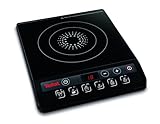
The Bosch Series 4 PWP611BB5B is the best built-in induction hob in the UK — CombiZone, PowerBoost, and TouchSelect controls make it a top performer at a fair price. For portable use, the Tefal Slim IH210840 is the best single-zone option.
Do induction hobs work with all cookware?
No — induction hobs only work with ferrous (magnetic) cookware. Test your pans with a fridge magnet: if it sticks to the base, the pan is compatible. Cast iron, enamelled iron, and most stainless steel work; aluminium, copper, and glass do not.
Can I plug a portable induction hob into a normal UK socket?
Yes. Portable induction hobs up to 2100–2800W run from a standard 13A UK socket (BS 1363). No special wiring is needed — this is what makes them ideal for renters, caravans, and kitchens without a 32A cooker circuit.
Affiliate disclosure: As an Amazon Associate I earn from qualifying purchases. UKPicks earns a small commission from qualifying purchases made via links on this page. This does not affect our editorial recommendations or the price you pay.