BBy Bikram Nath·Researched from UK Amazon listings·Updated 2026-06-25·6 products compared
What are the best Samsung vs LG tv to buy in the UK?
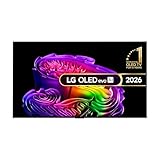
Our top pick for Samsung vs LG TV in the UK is the LG OLED55C4PUA 55-Inch C4 4K OLED TV.
For UK buyers comparing the two leading TV brands, the LG OLED C4 55-inch edges ahead for picture quality — its self-lit OLED pixels deliver perfect blacks and superior viewing angles, making it the better choice for dedicated film and TV watching, while Samsung's Neo QLED suits brighter rooms.
Disclosure: As an Amazon Associate I earn from qualifying purchases. This guide contains Amazon affiliate links, and we may earn a commission — at no extra cost to you — but it never changes our rankings.
Samsung and LG are the two most popular TV brands in the UK, and most buyers end up choosing between them. They take different approaches: Samsung leads in QLED (quantum dot LED) technology with brighter, more vivid panels, while LG dominates OLED with perfect blacks and superior viewing angles. Both have excellent smart platforms and strong UK retail availability through Currys, John Lewis, and Amazon. We compared 6 options from brands including LG, Samsung, evaluating build quality, value for money, and real-world performance in UK conditions. UK TV buyers need to consider Freeview compatibility, iPlayer access, and the BBC's HLG HDR standard alongside picture quality. We've compared availability through Currys, John Lewis, and Amazon UK with full UK warranty. Our top pick is the LG OLED55C4PUA 55-Inch C4 4K OLED TV, though the best choice depends on your specific needs and budget (around £250 – £2,500).
Buying guide
What should you look for in Samsung vs LG TV?
1Decide between OLED and QLED first. LG's OLEDs have perfect blacks and wide viewing angles — ideal for dark rooms and film lovers. Samsung's QLEDs are brighter and better in well-lit UK living rooms with large windows.
2Compare smart platforms honestly. Samsung's Tizen and LG's webOS both have every UK streaming app. The real difference is LG's Magic Remote (point-and-click like a Wii) versus Samsung's standard remote — try both in Currys before buying.
3Check gaming specs if you own a PS5 or Xbox. Both brands offer 4K/120Hz models, but Samsung's QN90C and LG's C3/C4 OLED are the standout gaming TVs. Look for VRR, ALLM, and low input lag specifically.
4Consider panel longevity. OLED panels can experience burn-in from static images (news tickers, game HUDs). Samsung's QLED is immune to burn-in. For a TV that's on 10+ hours daily showing varied content, QLED is lower risk.
5UK warranty and service matter. Both offer 2-year standard warranties. John Lewis extends Samsung and LG warranties to 5 years at no extra cost — worth buying from them for higher-end models.
Our process
How do we choose our picks?
We don’t lab-test products ourselves. Instead we synthesise the strongest independent evidence — current Amazon UK listings, verified-buyer feedback, published specs and UK pricing — into clear, honest recommendations. We earn a commission if you buy through our links, but that never changes which products we rank.
Current UK availability
We only shortlist products actively listed and in stock on Amazon UK, checked against live catalogue data — not last year’s models.
Publicly visible buyer feedback
We look at how each product is received by UK shoppers — its overall rating standing and the praise or complaints that recur in public reviews — rather than relying on a single reviewer’s opinion.
Published specs & value
We compare manufacturer specifications, typical UK price bands, warranty and running costs so each pick is right for a real budget and use-case.
UK-specific fit
We factor in UK voltage, plug/fitting standards, CE/UKCA marking and Consumer Rights Act cover — details that generic global lists miss.
Product prices and availability are accurate as of 19 Sept, 19:00 (London time) and are subject to change. Any price and availability information displayed on Amazon.co.uk at the time of purchase will apply to the purchase of this product.
Advertisement
Amazon Prime free trial
Disclosure: Amazon pays us a fixed fee if you start a Prime free trial through this link, even if you never buy anything. It does not change the price of your membership, and never affects what we recommend or how we rank it.
Amazon Prime includes one-day delivery on eligible items and access to Prime Video. Eligible new members can start a 30-day free trial. The trial becomes a paid monthly membership when it ends unless you cancel first — Amazon shows the current price on the sign-up page.
Sony Bravia XR series — If neither Samsung nor LG convinces, Sony's Cognitive XR processor delivers the most natural motion and upscaling — worth considering as a third option for UK buyers.View on Amazon
Hisense U7K series — Undercuts both Samsung and LG on price while offering Mini LED and 144Hz — the disruptor brand gaining UK market share fastest.View on Amazon
Editor's Note
In the UK market, LG wins on outright picture quality with its OLED range — the C4 is the sweet spot for most buyers. Samsung wins on brightness and value at the mid-range, where the Q70/Q80 series undercuts LG's non-OLED offerings. For most UK living rooms with typical daylight, a Samsung QLED in the £500-800 range delivers better pound-for-pound value. If you watch mainly in the evening with lights low, LG's OLED is worth the premium.
Our Take
Samsung versus LG is the UK's most common TV dilemma. Samsung offers better value in the mid-range with QLED panels and a more intuitive remote; LG dominates the premium space with OLED and webOS. Your viewing habits and room lighting should drive this decision more than brand loyalty.
Questions & answers
Frequently asked questions
Is Samsung or LG better for TV in the UK?
Neither is universally better — it depends on your room and viewing habits. LG is better for dark-room movie watching thanks to OLED's perfect blacks. Samsung is better for bright rooms and daytime viewing thanks to higher peak brightness on QLED models. Both have excellent smart platforms with all UK streaming apps.
Is LG OLED worth the extra money over Samsung QLED?
For dedicated home cinema setups or evening-only viewing, yes — the difference in black levels and contrast is dramatic. For a family TV that's on during the day in a bright room, Samsung QLED often looks better in practice because it handles ambient light more effectively. The price gap has narrowed, with LG's entry OLED (B4) now the more accessible way into 55-inch OLED.
Which TV brand lasts longer — Samsung or LG?
Both brands' LED and QLED panels last 7-10+ years with normal use. LG's OLED panels have a theoretical lifespan of 100,000 hours but can develop burn-in with static content. Samsung's QLED is immune to burn-in. For longevity with varied use, both are equally reliable. For a TV that displays news tickers or game HUDs for hours daily, Samsung QLED is safer.
Do Samsung and LG TVs work with Freeview in the UK?
Yes, all Samsung and LG TVs sold in the UK include Freeview Play as standard, giving you access to over 70 free TV channels plus 7-day catch-up from BBC iPlayer, ITVX, Channel 4, and My5. No aerial box needed — just connect the aerial cable directly to the TV.
Affiliate disclosure: As an Amazon Associate I earn from qualifying purchases. UKPicks earns a small commission from qualifying purchases made via links on this page. This does not affect our editorial recommendations or the price you pay.