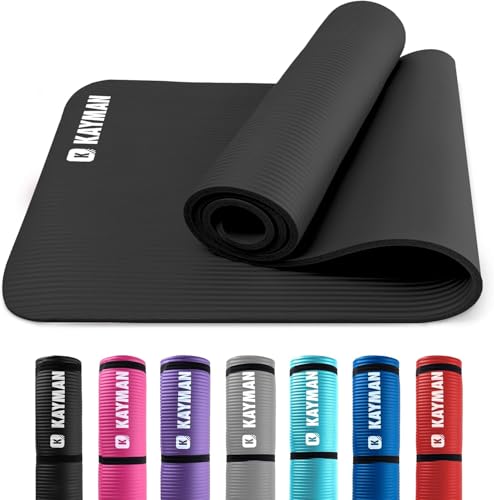
Best Yoga Mats in the UK 2026

£15 – £80|Updated 2026-06-27|5 products reviewed

Yoga has become one of the UK's most popular forms of exercise, with over 5 million regular practitioners according to Sport England. Whether you practise at home in your living room, attend studio classes, or take your mat to the local park, the right yoga mat makes a genuine difference to your practice. A mat that slips during downward dog, provides no cushioning during kneeling poses, or rolls up like a Swiss roll when you try to flatten it will ruin your session. The UK market ranges from budget £10 mats at Sports Direct to premium £100+ options from Liforme and Manduka. For most UK practitioners, the sweet spot is £25-50, where you get meaningful grip, adequate cushioning, and decent durability. Key factors for UK buyers include thickness (4mm for portability, 6mm for joint protection), material (PVC is grippy and affordable; TPE is eco-friendlier; natural rubber offers the best grip but is heavier), and whether the mat fits in your gym bag for commuting. This guide covers the five best yoga mats available on Amazon UK.

What to Look For

  1. 1Choose thickness based on your body and practice style. A 4mm mat is standard for most yoga styles and rolls up compactly for carrying. A 6mm mat provides better cushioning for sensitive knees and wrists — important for Yin yoga and restorative practices. An 8mm mat is best for Pilates and floor exercises but too thick for balance poses in standing yoga sequences.
  2. 2Prioritise grip over everything else. A mat that slides on the floor or lets your hands slip in sweat is actively dangerous. PVC mats offer good baseline grip. Natural rubber mats (like Liforme and Jade) provide the best grip, especially when wet — crucial for Vinyasa and hot yoga. TPE mats are a middle ground. Test grip in your first session and return the mat if it slips — UK consumer rights give you 30 days for online purchases.
  3. 3Consider where you will use it. For home use, weight does not matter — choose the thickest, grippiest mat you can afford. For commuting to studio classes, weight and roll-up size matter — look for mats under 2kg that fit in a standard gym bag. For outdoor practice in UK parks, choose a closed-cell mat (PVC or TPE) that does not absorb moisture from damp grass.
  4. 4Think about material ethics. PVC mats are the most durable and affordable but not recyclable. TPE (thermoplastic elastomer) mats are recyclable and free from PVC, latex, and phthalates. Natural rubber mats are sustainable and biodegradable but heavier and more expensive. Cork-topped mats offer a natural antimicrobial surface. Choose based on what matters to you.
  5. 5Buy a mat towel for hot yoga. No mat maintains perfect grip when drenched in sweat. If you practise hot yoga or Bikram, pair any mat with a microfibre yoga towel (£10-15) for reliable grip. This is cheaper than buying an expensive premium mat for its wet-grip properties alone.

Our Top Picks

1
LiformeBest Overall

Liforme Original Yoga Mat

MaterialNatural rubber base with polyurethane top
Thickness4.2mm
Weight2.5 kg
Dimensions185 x 68 cm
GripGripForMe technology (wet and dry)
FeaturesAlignForMe alignment markers
Price£80–£100

Pros

  • Best grip of any yoga mat — maintains traction even with sweaty hands
  • AlignForMe alignment markers genuinely help correct hand and foot placement
  • Wider than standard (68cm) — more space for broader-shouldered practitioners
  • Closed-cell surface resists moisture absorption — hygienic and easy to clean

Cons

  • Most expensive mat in our test — hard to justify for casual practitioners
  • Natural rubber base has a slight smell when new (fades within 1-2 weeks)
  • Heavier at 2.5kg — less convenient for commuting to studio classes

The best yoga mat available in the UK for serious practitioners. Liforme's grip, alignment system, and durability are genuinely best-in-class — not marketing hype. Worth the investment if you practise 3+ times per week. For occasional practice, the price is hard to justify.

2
MandukaBest Eco-Friendly

Manduka eKO Lite 4mm

MaterialNatural tree rubber
Thickness4mm
Weight2.0 kg
Dimensions180 x 61 cm
GripTextured natural rubber surface
FeaturesBiodegradable, OEKO-TEX certified
Price£55–£70

Pros

  • Made from sustainably harvested natural tree rubber — biodegradable at end of life
  • Excellent grip that improves with use and moisture — suits hot yoga
  • OEKO-TEX certified free from harmful substances
  • Professional-grade quality trusted by yoga studios worldwide

Cons

  • Natural rubber smell is noticeable for the first 2-3 weeks
  • Open-cell surface can absorb sweat — needs regular cleaning
  • Slightly narrower at 61cm than some competitors

The best eco-friendly yoga mat for UK buyers who want sustainability without compromising performance. The natural rubber provides excellent grip that actually improves when wet. The initial rubber smell is the main drawback — air it out for a few days before first use.

3
Sweaty BettyBest Value

Sweaty Betty Super Grip Yoga Mat

MaterialNatural rubber base with polyurethane top
Thickness4mm
Weight2.2 kg
Dimensions183 x 68 cm
GripMicrofibre suede-like top layer
FeaturesExtra-wide 68cm, machine-washable cover
Price£28–£38

Pros

  • Outstanding value — premium materials at half the Liforme price
  • Microfibre top provides excellent grip, especially with slightly damp hands
  • Extra-wide at 68cm — generous space for all body types
  • Available in Sweaty Betty stores across the UK for hands-on testing

Cons

  • Microfibre surface can be too slippery when completely dry — mist with water first
  • Natural rubber base adds weight — not the lightest travel option
  • Limited colour options compared to fashion-forward competitors

The best value yoga mat in the UK. The Sweaty Betty Super Grip delivers 80% of the Liforme experience at 35% of the price. The microfibre top grips best with slight moisture, making it ideal for Vinyasa and hot yoga. Available to try in Sweaty Betty's UK stores.

4
Yoga Design LabBest Looking

Yoga Design Lab Infinity Mat 5mm

MaterialNatural tree rubber base with microfibre suede top
Thickness5mm
Weight2.4 kg
Dimensions178 x 61 cm
GripMicrofibre surface — improves with moisture
FeaturesPrinted designs, includes carry strap
Price£50–£65

Pros

  • Beautiful printed designs that stand out in studio classes
  • Microfibre surface provides excellent wet grip — ideal for hot yoga
  • 5mm thickness offers slightly more cushioning than standard 4mm mats
  • Includes carry strap — no need to buy one separately

Cons

  • Too slippery for dry-hand practices like Yin yoga — needs moisture to grip
  • Prints can fade with frequent machine washing
  • Slightly shorter at 178cm — may not suit taller practitioners

The best yoga mat for practitioners who want aesthetics without sacrificing performance. The microfibre surface grips superbly once slightly damp, making it excellent for Vinyasa and hot yoga. Not ideal for dry practices — mist with water for consistent grip.

5
GaiamBest Budget Thick Mat

Gaiam Essentials Premium 6mm

MaterialPVC (6P-free)
Thickness6mm
Weight1.4 kg
Dimensions183 x 61 cm
GripTextured non-slip PVC surface
Features6P-free PVC, integrated carry strap
Price£15–£22

Pros

  • Best budget mat worth buying — adequate grip and cushioning under £20
  • 6mm thickness provides genuine joint protection on hard floors
  • Lightest mat in our test at 1.4kg — easy to carry to class
  • 6P-free PVC eliminates the worst chemical concerns of cheap PVC mats

Cons

  • PVC grip is adequate but noticeably worse than rubber or microfibre in sweat
  • Will need replacing after 8-12 months of regular use
  • Standard 61cm width feels narrow after using wider mats

The best entry-level yoga mat for UK beginners and occasional practitioners. At under £20, the Gaiam Essentials is the cheapest mat we can recommend without reservation. The 6mm thickness protects knees and wrists, and the 1.4kg weight makes it the easiest to carry. Upgrade to a rubber mat once you are committed to regular practice.

Honourable Mentions

Jade Harmony Professional 5mmThe gold standard in natural rubber yoga mats — exceptional grip and durability. At £70+ it is expensive but trees are planted for every mat sold. Best for experienced practitioners who prioritise sustainability.
Decathlon Kimjaly Comfort 8mmExcellent budget option at £15 from Decathlon UK. The 8mm thickness is too soft for balance poses but superb for floor-based practices like Yin yoga and Pilates. Available in every Decathlon store for hands-on testing.

Editor's Note

For most UK yoga practitioners, a mid-range TPE or PVC mat between £25-40 offers the best balance of grip, cushioning, and durability. The Liforme mat (£80+) is genuinely excellent — its alignment markers and superior grip are not gimmicks — but it is hard to justify at 3x the price of a perfectly capable mid-range mat for casual practitioners. The biggest waste of money is buying a cheap mat (under £12) that slips, smells of chemicals, and disintegrates within 6 months. If budget is tight, the Sweaty Betty Supergrip at around £30 is the best value-to-quality ratio in the UK market. For home practice, thickness matters more than portability — choose 6mm if your knees or wrists are sensitive. Store your mat rolled (not folded) in a dry space — UK damp can cause mildew on natural rubber mats left in gym bags.

Frequently Asked Questions

What thickness yoga mat should I buy UK?
For most UK yoga practitioners, a 4-5mm mat is ideal — thick enough for comfort on hard floors but thin enough for stability in balance poses. Choose 6mm if you have sensitive knees or wrists, or if you practise on very hard floors like tiles or concrete. Avoid mats thicker than 6mm for yoga — they compress unevenly and make balance poses harder.
Is Liforme yoga mat worth the price?
The Liforme mat is worth it for dedicated practitioners who practise 3+ times per week. Its AlignForMe marker system genuinely helps hand and foot placement, and the grip is the best available — even when wet. For casual practitioners who do yoga once a week, a £30-40 mat offers 80% of the performance at a third of the price.
How often should I replace my yoga mat?
Replace your yoga mat when you notice thinning patches, loss of grip, or permanent compression where your hands and feet typically rest. For a mid-range mat used 2-3 times per week, this is typically every 12-18 months. Premium mats like Manduka and Liforme last 3-5 years. Budget mats may need replacing every 6 months.
Affiliate disclosure: UKPicks earns a small commission from qualifying purchases made via links on this page. This does not affect our editorial recommendations or the price you pay.

Compare Products in Sports

You might also like