Disclosure: As an Amazon Associate I earn from qualifying purchases. This guide contains Amazon affiliate links, and we may earn a commission — at no extra cost to you — but it never changes our rankings.
Hyaluronic acid is one of the most widely used humectants in modern skincare, capable of holding up to 1,000 times its weight in water. It occurs naturally in skin, joints, and connective tissue, but production declines with age — by 50, the skin retains roughly half the hyaluronic acid it had at 20, contributing to visible volume loss, fine lines, and reduced elasticity. Topical hyaluronic acid serums cannot replace this internal loss entirely, but they can draw moisture from the environment and deeper skin layers into the stratum corneum, providing immediate and cumulative hydration that plumps the skin surface.
Molecular weight is the critical differentiator between hyaluronic acid serums. High molecular weight HA (over 1,000 kDa) sits on the skin surface, forming a hydrating film that reduces transepidermal water loss but does not penetrate into deeper layers. Low molecular weight HA (under 50 kDa) penetrates the epidermis and delivers hydration below the surface, but some evidence suggests it can trigger low-grade inflammatory signalling in the skin. The best modern serums use multi-weight formulations — typically combining two to five different molecular weights — to hydrate at multiple depths simultaneously. SkinCeuticals Hydrating B5, Medik8 Hydr8 B5, and Vichy Mineral 89 all use this multi-weight approach, while budget options like The INKEY List use a simpler single or dual-weight formulation.
For UK buyers, hyaluronic acid's humectant mechanism creates a specific winter challenge. Humectants draw moisture from the surrounding environment — but when UK indoor humidity drops below 40% during central-heating season, there is less ambient moisture available to attract. In very low humidity conditions, HA can actually draw moisture upward from deeper skin layers rather than from the air, potentially increasing transepidermal water loss rather than reducing it. The solution is straightforward: apply hyaluronic acid serum to damp skin (immediately after cleansing, while the face is still wet) and seal it with a moisturiser or face oil within 60 seconds. This traps the water already on the skin surface and prevents reverse osmosis from the deeper epidermis.
Buying guide
What should you look for in Hyaluronic Acid Serums?
1Apply hyaluronic acid serum to damp skin immediately after cleansing — HA is a humectant that needs available water to work, and applying to dry skin in low-humidity UK interiors can paradoxically increase moisture loss.
2Look for multi-weight formulations listing two or more molecular weights of hyaluronic acid for hydration at both the skin surface and deeper epidermal layers.
3Always follow hyaluronic acid with a moisturiser or face oil within 60 seconds to create an occlusive seal — without this, the attracted water evaporates rather than being retained in the skin.
4Check for complementary actives like vitamin B5 (panthenol) or niacinamide alongside HA, which strengthen the skin barrier and improve moisture retention beyond what HA achieves alone.
5Store HA serums at room temperature away from direct sunlight — while more stable than vitamin C, extreme temperatures can degrade the molecular structure and reduce efficacy.
Our process
How do we choose our picks?
We don’t lab-test products ourselves. We earn a commission if you buy through our links, but that never changes which products we rank.
Published specs
We compare manufacturer specifications so each pick is right for a real budget and use-case.
UK-specific fit
We factor in UK voltage and plug/fitting standards — details that generic global lists miss.
SkinCeuticals Hydrating B5 is the best hyaluronic acid serum for UK buyers who want clinical-grade hydration without irritation risk. The multi-weight HA combined with vitamin B5 delivers measurably superior moisture retention compared to single-weight competitors, and the fragrance-free formula suits every skin type.
Medik8 Hydr8 B5 Intense is the best UK-made alternative to SkinCeuticals, adding urea to the HA+B5 formula for enhanced hydration depth. It is particularly well-suited for UK skin that is dehydrated by central heating and needs intensive moisture replenishment.
+Multi-depth HA complex with added urea provides superior hydration for severely dehydrated skin
+British brand with strong UK dermatologist endorsement
+Liquid texture absorbs faster than gel-based competitors with zero residue
Worth noting
–Urea at higher concentrations can cause stinging on broken or compromised skin barriers
–Slightly more expensive than Vichy Mineral 89 for a similar hydration-focused proposition
No verified retailer listing for this pick — we earn nothing from it.
3
Vichy
Best Value
Vichy Minéral 89 Hyaluronic Acid Booster 50ml
Vichy Mineral 89 offers the best value in this group — 50ml with a clean, effective formulation. The volcanic water base is not just marketing; the mineral content genuinely supports barrier health. It is the sensible choice for UK buyers who want reliable hydration without luxury pricing.
Volume
50ml
Key Active
Hyaluronic acid, Vichy volcanic mineralising water (15 minerals)
Skin Type
All skin types, including sensitive
Texture
Lightweight gel-serum
What we like
+50ml bottle is significantly larger than competitors at a lower price — excellent value per ml
+Vichy's volcanic mineralising water adds 15 minerals that support skin barrier function
+Dermatologist-tested, hypoallergenic, fragrance-free — suitable for the most sensitive skin
Worth noting
–Less sophisticated multi-weight HA complex than SkinCeuticals or Medik8
–Gel-serum consistency can feel slightly tacky in humid conditions
£20.99£22.26−6%Amazon.co.uk price as of 12 Oct, 01:00 (London time). Details
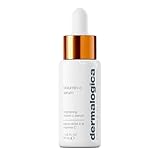
Dermalogica BioLumin-C is for UK buyers who want hydration and brightening in a single serum step. It does both competently but neither at the level of a dedicated product — a reasonable trade-off for those who prefer a simpler routine.
The INKEY List Hyaluronic Acid is the proof that effective HA hydration does not require luxury pricing. It delivers genuine multi-weight hyaluronic acid with a peptide bonus. The formulation is simpler than SkinCeuticals, but the price-to-efficacy ratio is unmatched in the UK market.
Product prices and availability are accurate as of 12 Oct, 01:00 (London time) and are subject to change. Any price and availability information displayed on Amazon.co.uk at the time of purchase will apply to the purchase of this product.
Editor's Note
Hyaluronic acid serums sold in the UK must be notified via the Submit Cosmetic Product Notification (SCPN) portal and comply with UK Cosmetics Regulation labelling requirements, including a full INCI ingredient list. While hyaluronic acid is generally well-tolerated, some formulations include fragrance allergens that must be individually listed if they exceed 0.001% in leave-on products. Perform a patch test on the inner forearm for 48 hours before first facial use, especially if you have reactive or eczema-prone skin. Products claiming specific hydration percentages must hold substantiation data available to UK Trading Standards on request.
Our Take
Hyaluronic acid serums have become the default recommendation for every skin concern, but not all formulations are equal. Multi-weight hyaluronic acid (combining low, medium, and high molecular weights) genuinely outperforms single-weight versions, especially in the UK climate where humidity fluctuates wildly between damp outdoor air and bone-dry centrally heated rooms. Boots and Space NK both stock strong options, but do patch test first — some formulations contain fragrance that reactive skin will not tolerate. Apply to damp skin and seal with a moisturiser, or you risk the opposite of what you intended.
Questions & answers
Frequently asked questions
Should hyaluronic acid be applied to wet or dry skin?
Wet or damp skin, always. Hyaluronic acid is a humectant that works by drawing water from the surrounding environment into the skin. When applied to dry skin in low-humidity conditions (common in UK homes during central-heating season, where indoor humidity can drop below 30%), HA can draw moisture upward from deeper skin layers rather than from the air, potentially increasing transepidermal water loss. Applying to damp skin immediately after cleansing gives HA readily available water to bind. Follow with moisturiser within 60 seconds to seal the hydration in.
Can hyaluronic acid make skin drier in winter?
Yes, in specific conditions. When indoor humidity is very low (below 30%, common with UK central heating), hyaluronic acid applied to dry skin can draw moisture from deeper epidermal layers rather than from the ambient air, potentially leaving skin more dehydrated than before. This is not a flaw of HA itself but of application technique. The fix: apply HA to damp skin, seal immediately with an occlusive moisturiser or face oil, and consider using a room humidifier to raise indoor humidity above 40% during winter months.
What is the difference between high and low molecular weight hyaluronic acid?
High molecular weight HA (above 1,000 kDa) has large molecules that cannot penetrate the skin barrier. It forms a hydrating film on the surface, reducing transepidermal water loss and providing immediate plumping. Low molecular weight HA (below 50 kDa) has smaller molecules that penetrate into the epidermis, delivering deeper hydration. However, some research suggests very low molecular weight HA can trigger low-grade inflammatory signalling. The best serums (like SkinCeuticals Hydrating B5 and Medik8 Hydr8 B5) use multiple weights simultaneously to hydrate at different depths.
Can hyaluronic acid serum be used with retinol?
Yes, and they complement each other well. Hyaluronic acid provides the hydration that retinol-treated skin needs, as retinol increases cell turnover and can cause dryness and flaking. Apply HA serum first to damp skin, allow 60 seconds for absorption, then apply retinol. The HA creates a hydrated buffer that can reduce retinol irritation without blocking its penetration. Some dermatologists recommend applying HA serum both before and after retinol to sandwich the active between hydrating layers during the initial adjustment period.
How often should hyaluronic acid serum be used?
Twice daily — morning and evening — is optimal and well-tolerated by virtually all skin types. HA is one of the few actives with no upper usage limit, no risk of irritation from overuse, and no need for gradual introduction. Morning application under SPF provides daytime hydration and plumping. Evening application supports overnight skin repair and barrier recovery. Unlike retinol or vitamin C, there is no reason to start with every other day or build tolerance. Apply to damp skin and seal with moisturiser each time for best results.
Affiliate disclosure: As an Amazon Associate I earn from qualifying purchases. UKPicks earns a small commission from qualifying purchases made via links on this page. This does not affect our editorial recommendations or the price you pay.