UK Buying Guides
Best Garden in the UK
15 expert guides — researched from UK Amazon listings, updated for 2026
Garden and outdoor kit takes a beating from British weather, so we research products on rust, motor longevity and battery life across seasons. Mains and battery tools like mowers, strimmers and pressure washers should be UKCA or CE marked, with an IP rating that suits outdoor and damp use. Typical spends: £80 to £250 for a cordless mower, £60 to £150 for a pressure washer, less for hand tools. The mistake gardeners make most is buying a battery mower without checking the cutting area per charge against their actual lawn size, then recharging halfway through every single cut.
 5 picks
Bird Feeders
Best Bird Feeders in the UK 2026
The UK has one of the strongest garden bird cultures in the world. More than half of British adults feed wild birds regularly, and the RSPB's annual Big Garden Birdwatch — which takes place every January and involves over 600,000 households counting birds in their gardens for one hour — is the world's largest wildlife survey. Common garden visitors across the UK include blue tits, great tits, robins, house sparrows, chaffinches, greenfinches, goldfinches, coal tits and, increasingly, long-tailed tits. In Scotland, siskins and bramblings are regular winter visitors. The type of bird feeder you choose determines which species you attract: tube feeders with small ports and nyjer seed attract finches; peanut mesh feeders suit tits and nuthatches; open platform feeders attract robins and blackbirds that cannot cling; and suet cake holders draw woodpeckers as well as the commoner species. UK weather puts specific demands on bird feeders. Most winters bring prolonged wet spells and strong winds — feeders must resist rain penetration that causes seed to clump and spoil, and they must be robust enough to stay mounted through wind gusts rather than spinning off the pole or branch. The RSPB recommends cleaning bird feeders every two weeks using a 5% disinfectant solution (diluted Jeyes Fluid is widely used by UK birders) to prevent the spread of trichomonosis and avian pox, both of which have affected UK greenfinch and chaffinch populations significantly since 2006. A feeder that is difficult to disassemble for cleaning is therefore a practical problem, not just an inconvenience. Placement is as important as feeder type for UK gardens. The RSPB recommends positioning feeders within 1 to 2 metres of cover (a hedge, shrub or tree) so birds have somewhere to flee if a sparrowhawk — a common UK urban predator — makes a strike. Avoid placing feeders directly against windows to prevent fatal bird strikes, but also avoid siting them too far from the house: at distance, feeders are harder to monitor and clean, and cats — the leading anthropogenic cause of bird mortality in the UK — are harder to deter. Most UK gardens benefit from at least two feeders positioned on different sides of the garden to reduce territorial conflict between dominant species like house sparrows.
 6 picks
Composting Bins
Best Composting Bins in the UK 2026
Composting is one of the most rewarding habits a UK gardener can adopt. Given Britain's wet climate and heavy clay soils, adding home-made compost dramatically improves soil structure, drainage, and fertility — without the cost of buying bagged compost. A well-chosen bin speeds up the process by retaining heat and moisture, both crucial in cooler UK conditions where decomposition slows over winter. Whether you have a large back garden churning through grass clippings and veg peelings, or a small patio with just kitchen scraps, there is a composter to suit. Traditional static bins (300L is the sweet spot for most households) are the most affordable and lowest maintenance option. Worm composters are ideal for flats or kitchens, processing food waste faster and producing liquid plant feed as a bonus. This guide covers the best options available on Amazon UK right now, with real prices and real ASINs so you can buy with confidence.
 6 picks
Garden Furniture Sets
Best Garden Furniture Sets in the UK 2026
Choosing garden furniture in the UK is a different challenge from sunnier climates. British summers are unpredictable — you need a set that handles both July heatwaves and sudden downpours without fading, rusting, or warping. PE rattan has become the dominant choice for UK gardens because it combines a natural rattan look with genuinely weatherproof synthetic fibres that won't crack in frost or bleach in UV. A powder-coated steel frame beneath the weave adds structural rigidity, and tempered glass coffee tables resist everyday outdoor knocks. The sweet spot for most UK gardens and patios is a 4-seater set: enough for a family or four friends, compact enough for the average UK terrace, and available at price points up to £200 for corner sofas. Cushions with removable, machine-washable covers are non-negotiable in the UK's damp climate. This guide covers the best 4-seater rattan garden furniture sets available on Amazon UK right now.
 6 picks
Garden Hoses
Best Garden Hoses in the UK 2026
A good garden hose is one of those purchases UK gardeners make once and rely on for years — which makes choosing the right one important. The UK climate places specific demands on garden hoses: they need UV protection to handle the occasional strong summer sun, frost resistance for the inevitable early-season cold snaps, and kink resistance because British gardens are rarely laid out in a straight line. Hozelock has been the dominant UK garden hose brand for decades, and for good reason — their Select range is made from up to 70% recycled PVC, braided for burst resistance, and rated for both UV and frost. Expandable hoses have also surged in popularity for smaller gardens and balconies; they shrink to a fraction of their length when empty, making storage much easier. For larger gardens or those who hate coiling a hose, a wall-mounted auto-reel is the most convenient long-term solution. This guide covers the best garden hoses available on Amazon UK right now.
 6 picks
Garden Kneelers
Best Garden Kneelers in the UK 2026
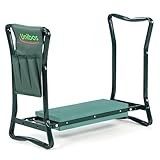
Garden kneelers are a genuinely underappreciated piece of kit for UK gardeners. Britain's damp soil conditions mean you are frequently kneeling on wet or cold ground — which takes a toll on knees over time, especially for older gardeners. A good kneeler does two things: it cushions your knees with a thick EVA foam pad, and it gives you handles to push yourself back up with, which makes a real difference when your lower back is stiff after a long session of weeding or planting. The most popular designs in the UK are the 2-in-1 kneeler-seat models: flip them upside-down and they become a low garden stool, which is useful for tasks where you need to sit rather than kneel. Most include a small side tool bag for trowels and secateurs. Prices are very reasonable, making a garden kneeler one of the best-value additions to any UK garden toolkit.
 5 picks
Garden Lighting
Best Garden Lighting in the UK 2026
Garden lighting transforms UK outdoor spaces in a climate where evenings are cold and dark for seven months of the year. From late September to April, a well-lit garden extends usable outdoor time significantly — enabling al fresco dining on mild autumn evenings, making paths safe on winter mornings, and creating a visual focal point that makes a garden feel like a natural extension of the home rather than a dark void beyond the kitchen window. The UK's relatively low solar irradiance — particularly in northern England, Scotland and Northern Ireland — means solar garden lights require careful selection: a panel rating alone does not tell the full story, and the best UK solar lights compensate for lower average sun hours with larger battery capacity and more efficient LED arrays than their European or American counterparts. IP (Ingress Protection) ratings are the most important specification for UK garden lighting. The UK's maritime climate brings prolonged rain, frost, condensation and coastal salt spray across many regions. An IP44 rating confirms protection against water splashing from any direction — adequate for sheltered gardens and covered porches. IP65 is the minimum recommended for exposed UK gardens: it confirms total dust exclusion and protection against water jets from any direction. IP67 adds temporary submersion protection, useful for lights installed near garden ponds, drainage channels or in low-lying areas prone to waterlogging after heavy rain. Never install a light with a rating below IP44 in an uncovered outdoor UK location. UK planning rules for garden lighting are often misunderstood. Permanent outdoor lights are generally permitted development if they are not excessively bright and do not cause light pollution to neighbours or designated dark sky areas. However, lights attached to the front of properties that could dazzle drivers, lights in conservation areas, and any lighting that illuminates a listed building require either planning permission or listed building consent. The ILP (Institution of Lighting Professionals) Guidance Note 8 is the UK's reference standard for obtrusive light — it recommends a maximum luminaire intensity of 500 cd in lit environments and 50 cd in dark rural areas. High-lumen security lights in residential gardens that illuminate neighbours' properties are a common cause of neighbour disputes and can be legally challenged under the Environmental Protection Act 1990 as a statutory nuisance.
 5 picks
Garden Netting
Best Garden Netting UK 2026: Protect Crops from Pests, Birds & Frost
Garden netting is one of the most underrated tools in the British vegetable grower's arsenal. The UK has a specific and persistent set of garden pests that netting addresses directly: the cabbage white butterfly (Pieris brassicae) strips British brassicas from midsummer onwards, the wood pigeon causes widespread destruction to brassica crops in rural and suburban gardens alike, and slugs — thriving in our damp climate — devastate unprotected seedlings overnight. For each of these threats, the right type of netting or fleece provides a simple, chemical-free solution that works with the weather rather than against it. Bird netting requires particular care in the UK. Wide-mesh netting left to sag is the type most likely to trap and injure garden birds such as blackbirds, robins, and sparrows. A smaller aperture, netting pulled taut over hoops or a frame rather than draped loosely, and edges pegged into the soil all reduce that risk. If you use bird netting over fruit bushes, soft fruit, or vegetable beds, check the mesh size before buying and inspect the netting regularly for birds that may have become trapped. For brassica protection against cabbage white butterflies, fine insect mesh (0.8mm or finer) is the gold standard. It completely excludes the butterfly from laying eggs on cabbage, kale, broccoli, and Brussels sprouts — the main UK brassica crops — without blocking light or rain. Frost fleece performs a different but equally important role in the British growing year: protecting seedlings from late frosts in April and May, and extending growing into October. Choosing between these product types depends on your specific UK growing challenges rather than a single catch-all product.
 6 picks
Garden Shears
Best Garden Shears in the UK 2026
British gardens demand a lot from cutting tools. The classic UK mix of privet hedges, box topiary, overgrown shrubs, and persistent brambles means most gardeners need more than one type of shear — and that is precisely why 3-piece shear sets have become the most popular purchase on Amazon UK. A good set typically includes hedge shears for long hedge runs, bypass loppers or compact loppers for thicker branches, and hand secateurs for precision work on stems and flowers. The key quality indicator across all three tool types is blade material: fully hardened carbon steel or SK5 steel holds an edge far longer than cheap stamped blades and makes clean cuts rather than crushing plant tissue, which matters for the health of the plant. UK gardeners should also look for corrosion-resistant coatings — the combination of wet weather and irregular cleaning habits means rust is a real problem. This guide covers the best garden shears available on Amazon UK right now.
 6 picks
Lawn Mowers
Best Lawn Mowers in the UK 2026
The UK lawn mower market has shifted dramatically towards cordless electric models over the past five years, and for good reason. Britain's relatively compact garden sizes (the average UK garden is around 90–180 m²) sit squarely within the capability of 40V cordless mowers, which handle these areas comfortably on a single charge. 40V brushless motors now deliver cutting performance that matches petrol mowers for most UK lawns, without the maintenance burden — no oil changes, no seasonal carburettor cleaning, no fuel storage concerns. Brushless motors are the critical specification: they are quieter, last longer, and run cooler than brushed motors. Combined with dual-battery setups (increasingly common), they can handle even the largest UK suburban lawns without stopping. Cutting width is the other key variable: 32–37cm suits smaller gardens and manoeuvrability around beds; 43cm reduces passes on medium-to-large lawns. This guide covers the best cordless lawn mowers available on Amazon UK right now.
 6 picks
Pressure Washers
Best Pressure Washers in the UK 2026
Britain's damp climate means patios, driveways, decking and garden furniture accumulate algae, moss and general grime at a remarkable rate. A pressure washer is one of the most effective ways to restore outdoor surfaces — and in the UK, Kärcher has dominated the market for decades with good reason. Their K-series models are built in Germany, backed by long warranties, and supported by an extensive UK accessories ecosystem that means you can always find the right attachment for the task. The key specification to understand is pressure (measured in bar) combined with flow rate (litres per hour): high bar alone is not sufficient — you need enough water volume to actually rinse dirt away. Kärcher's eco!Booster technology specifically addresses this balance, delivering 50% more cleaning performance per litre of water compared to standard flat jets. For UK buyers on a budget, the Vytronix JETW1800 offers genuine 135-bar pressure. This guide covers the best pressure washers available on Amazon UK right now.
Raised Beds
Best Raised Beds in the UK 2026
Raised beds have become the defining feature of the modern British kitchen garden. With typical UK back gardens averaging between 60 and 120 square metres — and often split between lawn, borders and patio — a raised bed lets you maximise productive growing area without breaking up expensive lawn or committing to a full dig. The RHS recommends raised beds as the single most effective intervention for improving growing success in poor UK soil conditions: they drain better than compacted clay (a common condition in urban and suburban British plots), warm up faster in spring — critical in a climate where the last frost can arrive as late as April in the Midlands or May in Scotland — and allow you to introduce quality growing compost without amending the native soil beneath. A 120cm x 90cm bed is widely recommended as the ideal UK starter size: you can reach the centre without stepping on the soil, and it fits comfortably in most back garden layouts. UK growing seasons are shorter than continental Europe. Most British gardeners can expect a reliable frost-free growing window from mid-May to mid-October, with some variation across England, Wales, Scotland and Northern Ireland. A raised bed extends this window at both ends: the elevated soil mass heats faster in early spring and retains warmth longer into autumn, giving you an extra two to four weeks of productive growing time. Early potatoes, salads and broad beans can be sown weeks earlier in a raised bed than directly in the ground. In wet UK summers, the improved drainage also prevents the waterlogging that routinely ruins root vegetables like carrots and parsnips in heavy clay soil. Materials matter for longevity in the UK's damp maritime climate. Untreated timber raised beds typically last three to five years before the base boards begin to rot; pressure-treated softwood extends this to eight to ten years but should be avoided for edible crops if the treatment contains arsenic compounds (modern UK-sold treated timber generally uses copper-based preservatives, which are considered safe for vegetable growing). Galvanised metal beds are increasingly popular for their fifteen-plus year lifespan, resistance to rot and clean modern aesthetic. Composite and recycled plastic options like those from VegTrug and Keter are maintenance-free and particularly suited to renters or gardeners who want to move the bed if they relocate.
Secateurs
Best Secateurs in the UK 2026
Secateurs are the tool UK gardeners reach for most often — from the first dead-heading of roses in late June to the hard pruning of late-summer shrubs in March, a good pair of bypass secateurs is in use almost every month of the growing year. The RHS recommends secateurs as the single most important hand tool in a UK gardener's kit, emphasising that clean, precise cuts made with sharp blades are one of the most effective ways to prevent disease entering pruning wounds. The distinction between bypass and anvil designs is fundamental: bypass secateurs work like scissors, with two blades passing each other, making a clean slice through living stems. Anvil secateurs use a single blade that cuts downward onto a flat metal plate — the crushing action is more powerful but bruises rather than slices living plant tissue, which can allow disease pathogens to colonise the wound. The RHS recommends bypass secateurs for all cuts on living plants and restricts anvil designs to dead wood and woody debris where cutting power matters more than wound quality. Bloom quality in UK cottage gardens, where roses, clematis, wisteria and herbaceous perennials dominate, depends substantially on the quality of pruning. RHS Chelsea Flower Show display gardens are maintained exclusively with professional-grade bypass secateurs, most commonly Felco (Swiss) and ARS (Japanese) — brands that have earned a reputation through decades of professional horticultural use. The key differentiator between professional and budget secateurs is blade hardness: professional blades are hardened to Rockwell hardness 58–62, which holds a usable edge for several full growing seasons under daily use. Budget secateurs at HRC 45–50 need sharpening or replacing within a single season under heavy use. For most UK home gardeners who prune weekly or fortnightly through the growing season, a mid-range option in the £25–£40 bracket offers the best cost-per-year value. Ergonomics matter significantly for UK gardeners who prune for extended periods. The UK's elderly gardening demographic — one in four regular gardeners in the UK is over 65 — means comfort features like rotating handles, soft-grip cushioned scales and spring-return mechanisms are genuinely important purchasing factors rather than marketing additions. The ARS HP-VS8Z, which features a rotating lower handle that reduces wrist rotation during repetitive pruning strokes, was specifically designed for professional arborists who prune for eight or more hours daily. For UK home gardeners who suffer from arthritis or repetitive strain injuries, this design has been recommended by occupational therapists as one of the best-adapted garden tools available.
Garden Sheds
Best Garden Sheds in the UK 2026
Choosing a garden shed in the UK means deciding between three very different materials, each with real trade-offs in the British climate. Metal sheds (galvanised steel) are the most weatherproof and require almost no maintenance — they handle UK frost, rain and wind without rotting or warping. Their weakness is condensation and coldness in winter, and they look more utilitarian than wood. Wooden sheds (pressure-treated timber) remain the most popular choice in UK gardens because they look attractive, can be customised and painted, and provide better insulation. The catch is maintenance: untreated wood rots in the UK's damp climate, so annual treatment is essential unless the timber comes with a factory anti-rot pressure treatment guarantee. Resin (plastic) sheds have improved dramatically, with brands like Keter producing models with convincing wood textures, zero maintenance requirements, and 15-year warranties. They are the best low-maintenance option if aesthetics matter. This guide covers the best sheds across all three material types currently available on Amazon UK.
Watering Cans
Best Watering Cans in the UK 2026
A good watering can is one of the simplest and most essential tools in a UK gardener's arsenal. Despite the reputation for British rain, UK summers have become increasingly dry — particularly in the South East — and a reliable 10-litre watering can is an everyday necessity from April to September. The 10-litre capacity is the sweet spot for UK garden use: large enough to water a significant bed or greenhouse section without constant refills, but not so heavy (10 kg when full) that it becomes awkward to carry with one hand. The key features to look for are a detachable rose head (for switching between a gentle spray for seeds and a direct stream for established plants), a long spout (for reaching hanging baskets and the back of raised beds), and a balanced dual-handle design that distributes the weight of a full can. Plastic wins over metal for UK garden use because it is rust-proof and significantly lighter — important when you are carrying a full 10L can across the garden multiple times per session. Prices are very accessible across the plastic cans in this guide.
Wheelbarrows
Best Wheelbarrows in the UK 2026
A 100-litre wheelbarrow is one of the hardest-working tools in a UK garden, from moving compost and topsoil to shifting grass clippings, leaves, and building materials. British garden conditions place specific demands on wheelbarrows: the combination of wet clay soil, uneven lawns and narrow garden gates means you need a barrow that handles muddy terrain without sinking, fits through a standard 1-metre gate without removing the handles, and resists rust in the UK's persistently damp climate. The industry standard for UK domestic gardens is a 100L capacity polypropylene (plastic) tray on a galvanised steel frame, with either a pneumatic or puncture-proof wheel. Pneumatic (air-filled) tyres handle uneven terrain best. Puncture-proof solid wheels are better for gardens with sharp gravel or building debris where punctures are a risk. This guide covers the best 100L wheelbarrows available on Amazon UK right now, all at practical mid-range prices.